
Table of Contents
Does the thought of sitting in a dental chair make you nervous? Maybe you’ve had an uncomfortable experience in the past, worry about feeling pain, or find it difficult to relax during dental procedures. For some people, that anxiety is enough to delay appointments for months or even years.
Sedation dentistry may make dental care more manageable, but it’s natural to have questions about safety. Will you be awake? Could the medication affect your breathing? What happens if you have an existing medical condition?
Knowing how dental sedation works, what safety precautions are involved, and how to prepare can help you decide whether it’s an appropriate option for your next appointment.
Nervous About Your Dental Visit?
Discover safe, comfortable sedation dentistry options to help you relax. Call today to schedule your consultation!
Quick Answer: Is Dental Sedation Safe?
Dental sedation is generally safe for appropriately selected patients when administered by qualified professionals using proper screening, monitoring, and safety protocols. Nitrous oxide and oral conscious sedation are commonly used to help nervous patients relax during dental care. However, sedation carries potential risks and isn’t suitable for everyone. Your dentist should review your medical history, medications, and treatment needs before recommending an option.
Why Do Nervous Patients Choose Sedation Dentistry?
Dental anxiety affects people for many different reasons. Some worry about discomfort, while others feel uneasy about dental instruments, unfamiliar sounds, or a previous negative experience.
For certain patients, these concerns make even a routine appointment difficult.
Sedation dentistry uses medication or inhaled gases to reduce anxiety and promote relaxation during treatment.
Fear of dental procedures
If you’ve avoided dental care because of fear, sedation may help you feel more comfortable receiving necessary treatment.
However, sedation doesn’t have to be the first or only solution.
Clear communication, breaks during treatment, and a discussion about what to expect may also make appointments easier.
A sensitive gag reflex
Some patients experience a strong gag reflex during dental impressions, X-rays, or procedures involving the back of the mouth.
Sedation may help reduce anxiety and make certain appointments more manageable.
Your dentist should still evaluate whether sedation is necessary and suitable.
Longer dental appointments
Patients receiving several treatments during one appointment may find it difficult to remain comfortable for an extended period.
Sedation can sometimes help with relaxation during longer procedures.
However, it doesn’t automatically mean every treatment can be completed in one visit.
Difficulty relaxing in the dental chair
You don’t need to experience severe dental fear to discuss sedation.
Some patients have moderate anxiety or difficulty remaining comfortable during treatment.
A consultation can help determine whether a lighter sedation method or another comfort-focused approach would be appropriate.
What Are the Common Types of Dental Sedation?
Dental sedation isn’t one specific medication or experience.
Different methods produce different levels of relaxation, and the right choice depends on your health, anxiety, and planned treatment.
Nitrous oxide sedation
Nitrous oxide, commonly called laughing gas, is inhaled through a small mask or nosepiece.
It is mixed with oxygen and administered during the procedure.
Nitrous oxide typically works within a few minutes and is commonly used for mild dental anxiety.
You generally remain awake, responsive, and able to communicate.
After treatment, the dental team administers oxygen and checks that you’ve recovered appropriately.
Because its effects usually wear off quickly, many patients can resume normal activities after receiving clearance from their dentist.
Oral conscious sedation
Oral conscious sedation involves taking prescribed medication before an appointment.
It may be considered for patients with more significant dental anxiety or those undergoing longer procedures.
The medication can cause substantial relaxation and drowsiness.
Some patients remember little about their appointment afterward, although amnesia isn’t guaranteed.
You may remain responsive to instructions, but your alertness, coordination, and judgment can be affected.
Because the medication may continue working for hours, you’ll need a responsible adult to help with transportation and follow-up care.
IV sedation
Intravenous sedation delivers medication through a vein.
It can allow the sedation level to be adjusted during treatment and may be considered for selected patients undergoing more involved procedures.
IV sedation requires appropriate training, equipment, monitoring, and recovery arrangements.
Not every dental practice offers it.
General anesthesia
General anesthesia produces a controlled state of unconsciousness.
It is different from routine conscious sedation and involves additional airway management and monitoring requirements.
It may be appropriate for certain complex procedures or patient needs, but it isn’t generally necessary simply because someone feels nervous about dental treatment.
Comparing the options
| Sedation type | Typical experience | Recovery considerations |
| Nitrous oxide | Awake and more relaxed | Usually wears off quickly |
| Oral conscious sedation | Drowsy and relaxed; usually responsive | Effects may last several hours; escort required |
| IV sedation | Level of sedation varies according to the plan | Requires monitored recovery and an escort |
| General anesthesia | Unconscious during treatment | More extensive recovery and supervision |
At Cornerstone Dentistry in Anderson, SC, our published sedation options include nitrous oxide and oral conscious sedation.
Your dentist will determine whether either option is appropriate after reviewing your circumstances.
Who May Be a Good Candidate for Dental Sedation?
Sedation may be helpful when dental anxiety or other concerns interfere with receiving necessary dental care.
However, being nervous doesn’t automatically mean you’ll need medication.
Your dentist should first understand what makes appointments difficult for you.
Patients with significant dental anxiety
If you’ve repeatedly postponed treatment because of fear, sedation may help you feel more comfortable returning to the dentist.
It can be particularly useful when anxiety prevents you from completing recommended procedures.
Patients with a strong gag reflex
For some people, gagging makes treatment uncomfortable or difficult.
Sedation may be considered alongside other strategies to improve tolerance.
Patients requiring longer procedures
Sedation may help selected patients remain relaxed during extensive restorative treatment, tooth extractions, or other longer appointments.
The appropriate approach depends on the procedure and your medical condition.
Patients with certain physical or sensory needs
Some patients have difficulty remaining still or tolerating particular sensations during dental treatment.
Sedation may be one option, but treatment should be adapted to each person’s needs.
The safest choice isn’t always the strongest form of sedation. Your dentist should recommend the least intensive approach that can appropriately meet your treatment and comfort needs.
Who May Need Extra Screening Before Sedation?
Although dental sedation can be appropriate for many patients, some medical conditions and medications increase the need for careful evaluation.
Additional screening doesn’t automatically mean you cannot receive sedation.
It means your dental team may need more information before deciding how to proceed.
Patients with sleep apnea or breathing problems
Obstructive sleep apnea can affect breathing during sleep and may increase concerns about airway management during sedation.
Certain respiratory conditions may also influence treatment planning.
Tell your dentist if you:
- Have been diagnosed with sleep apnea
- Use a CPAP machine
- Experience significant breathing difficulties
- Have a history of sedation-related breathing complications
Your dentist may recommend consultation with another healthcare professional or a different approach.
Patients with heart or other medical conditions
Certain cardiovascular, liver, kidney, or neurological conditions can affect sedation risk or how medications are processed.
Depending on the condition and its severity, additional medical clearance or a different treatment setting may be appropriate.
Patients taking medications that cause drowsiness
Some prescription medications, alcohol, and other substances can interact with sedatives.
Combining sedating substances may increase drowsiness or breathing-related risks.
That’s why reviewing your complete medication list is an important safety step.
Pregnant patients
Pregnancy can affect the choice and timing of dental procedures, medications, and sedation.
If you’re pregnant or think you might be pregnant, tell your dentist before treatment.
Necessary dental care should not automatically be delayed, but the approach should be planned with pregnancy-related considerations in mind.
Patients with previous sedation complications
If you’ve experienced unusual reactions to sedation or anesthesia, explain what happened.
This includes problems such as severe nausea, allergic reactions, unexpected prolonged sedation, or breathing difficulties.
Your dentist may need to review previous medical records or recommend additional assessment.
What Should You Tell Your Dentist Before Treatment?
A complete health history helps your dentist identify potential risks and select appropriate care.
Even information that seems unrelated to your teeth may affect sedation planning.
Your current medications
Provide an accurate list of prescription medications, over-the-counter products, and supplements.
Be sure to mention medications used for:
- Anxiety or sleep
- Pain management
- Heart or blood pressure conditions
- Seizure disorders
- Allergies
- Other ongoing medical conditions
Don’t stop or change prescribed medications unless your dentist and prescribing healthcare professional specifically advise you to do so.
Your medical history
Tell your dentist about relevant diagnoses, surgeries, allergies, and previous experiences with sedation or anesthesia.
Mention any history of sleep apnea, breathing difficulties, or serious medical complications.
Alcohol, cannabis, and other substance use
Be open about alcohol and other substances that could affect sedation.
This information helps your dental team assess medication interactions and make safer treatment decisions.
You won’t benefit from leaving out information because it feels embarrassing.
Your level of dental anxiety
Explain what makes dental appointments uncomfortable.
For example, do you worry about injections, dental sounds, the feeling of numbness, or losing control during treatment?
Your answers can help the team determine whether sedation is necessary and how to make the visit more comfortable.
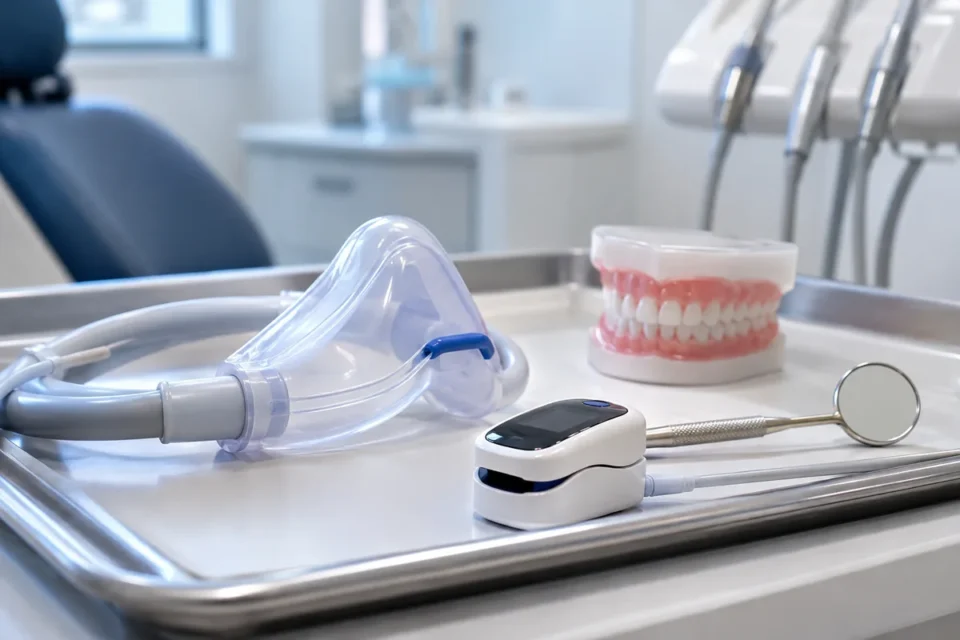
What Should You Expect Before Dental Sedation?
Preparation begins before the day of your appointment.
Your dentist should explain the recommended sedation method, potential risks, and what you need to do beforehand.
A medical and dental evaluation
Your dentist will review your medical history, medications, planned procedure, and sedation needs.
Depending on your health and the proposed sedation level, this may also involve checking vital signs and considering additional medical evaluation.
The aim is to identify potential complications before medication is administered.
Clear instructions about food and drink
Some sedation methods require fasting before treatment.
Others may have different preparation requirements.
Don’t assume you should fast, and don’t assume eating normally is safe. Follow the instructions given for your specific appointment.
If you’re uncertain, contact the dental office before taking medication or eating.
Transportation arrangements
If you’re receiving oral conscious sedation, arrange for a responsible adult to take you to the appointment and bring you home.
You should not drive after taking a sedative medication.
Nitrous oxide generally involves quicker recovery, but you should only drive when your dental team confirms that it’s appropriate.
Understanding the procedure
Before treatment begins, your dentist should explain:
- Which sedation method is recommended
- Why it’s appropriate for your situation
- What you may feel during treatment
- Whether you’ll remain awake and responsive
- How your condition will be monitored
- What side effects or complications are possible
- What recovery and transportation arrangements are needed
This is also your opportunity to ask questions.
Sedation and local anesthesia are different
One important distinction is that sedation helps you relax, while local anesthesia numbs the area being treated.
You may still need local anesthetic injections for fillings, extractions, or other procedures.
Sedation does not necessarily eliminate pain on its own.
Your dental team should explain how both comfort and pain control will be managed.

What Should You Expect After Sedation?
Recovery depends on the medication used, the level of sedation, and how your body responds.
Some patients feel alert relatively quickly, while others remain drowsy for several hours.
After nitrous oxide
The effects of nitrous oxide typically wear off quickly after administration stops and oxygen is provided.
Your dentist will assess whether you’ve recovered sufficiently before leaving.
Some patients can return to normal activities relatively soon, but individual circumstances and the dental procedure itself may affect instructions.
After oral conscious sedation
You may feel sleepy, unsteady, or less alert after the appointment.
Your judgment and coordination may remain affected even if you feel mostly awake.
Follow your dentist’s instructions about avoiding:
- Driving
- Operating machinery
- Drinking alcohol
- Taking additional sedating medication without approval
- Making important decisions
- Activities requiring full coordination or alertness
Depending on the medication and instructions, these restrictions may continue for the remainder of the day or approximately 24 hours.
Arrange support at home
You may need a responsible adult to stay with you during the initial recovery period.
Your dentist will explain how much supervision is recommended.
Rest, follow the dietary instructions provided, and avoid activities that could be unsafe while you’re drowsy.
What side effects are possible?
Temporary effects may include:
- Drowsiness
- Dizziness
- Nausea
- Headache
- Dry mouth
- Temporary changes in coordination
These reactions vary by medication and individual response.
More serious complications, including breathing difficulties, are possible but less common.
When should you seek help?
Contact your dental team if you experience unexpected or persistent side effects, including prolonged drowsiness or repeated vomiting.
Seek emergency medical help for difficulty breathing, an inability to awaken normally, loss of consciousness, or other severe symptoms.
Following the discharge instructions is an important part of sedation safety.
Sedation Dentistry at Cornerstone Smiles
Dental anxiety shouldn’t prevent you from discussing the care your teeth and gums need.
At Cornerstone Dentistry in Anderson, SC, we understand that some patients feel nervous about dental appointments, particularly if they’ve had a difficult experience in the past.
We focus on helping patients feel informed, supported, and comfortable while making appropriate decisions about their treatment.
Personalized Sedation Consultations
Before recommending sedation, we take time to discuss your concerns, medical history, medications, and planned dental procedure.
We also explain what you can expect before, during, and after the appointment.
Our goal is to determine whether sedation is appropriate and help you understand the available options.
Nitrous Oxide and Oral Conscious Sedation
At Cornerstone Dentistry, we offer nitrous oxide and oral conscious sedation for suitable patients.
Nitrous oxide may be considered when you need lighter relaxation during treatment.
Oral conscious sedation may be an option for patients with more significant dental anxiety or those who need additional support during longer appointments.
The right choice depends on your individual health, treatment needs, and professional evaluation.
We also use clear communication and comfort-focused care to help make dental visits less overwhelming.
Take the First Step Toward Comfortable Dental Care
If you’ve been avoiding dental appointments because of fear, you don’t need to commit to a procedure before talking with us.
We can discuss what makes treatment uncomfortable for you, review possible sedation options, and help you understand the next steps.
Cornerstone Dentistry serves patients in Anderson and surrounding South Carolina communities, including Clemson, Seneca, Powdersville, and Belton.
Contact Cornerstone Dentistry at (864) 222-9001 to schedule a consultation and learn whether sedation dentistry is appropriate for your needs.
FAQs About Dental Sedation
Is sedation dentistry safe if I have dental anxiety?
Sedation is generally safe for appropriately selected patients when provided by qualified professionals following proper screening and monitoring procedures. However, it carries risks, and your dentist must evaluate your health before recommending it.
Will I be asleep during dental sedation?
Not necessarily. With nitrous oxide, patients generally remain awake and responsive. Oral conscious sedation can cause significant drowsiness, but patients usually remain able to respond to instructions. The experience varies by medication and sedation level.
Can sedation dentistry affect my breathing?
Yes. Sedative medications can affect breathing, particularly at deeper sedation levels or when combined with other sedating substances. Appropriate screening, monitoring, and emergency preparedness are important safety measures.
Is laughing gas safer than oral sedation?
Nitrous oxide typically has a rapid onset and recovery and is widely used for mild dental anxiety. However, no sedation method is appropriate for every patient. The safer choice depends on your medical history and treatment needs.
Can I receive dental sedation if I have sleep apnea?
Possibly, but additional screening may be needed. Sleep apnea can increase certain airway-related risks during sedation. Tell your dentist about your diagnosis and any prescribed breathing equipment before treatment.
Do I need to fast before sedation dentistry?
That depends on the sedation method, medications, and treatment plan. Some procedures require fasting, while others have different instructions. Follow your dentist’s specific guidance rather than making assumptions.
Can I drive myself home after sedation?
Patients receiving oral conscious sedation need an escort and should not drive while the medication’s effects remain. Many patients recover quickly after nitrous oxide, but driving should only resume when the dental team confirms it is safe.
Does sedation dentistry eliminate pain?
Not necessarily. Sedation primarily helps reduce anxiety and promote relaxation. Local anesthesia is often still needed to numb the teeth and surrounding tissues during dental procedures.
How long does oral dental sedation last?
The effects can continue for several hours, and coordination or judgment may remain impaired longer. Your dentist will explain the expected recovery period and activity restrictions based on the prescribed medication.
What if I’m too nervous to ask about sedation?
You can tell the dental team when scheduling that you feel anxious about treatment. This allows them to discuss your concerns and help arrange an appointment where you can explore comfort options without unnecessary pressure.
Dental Anxiety? We Can Help!
Feel more relaxed and confident with personalized sedation dentistry. Call now to book your appointment!