
Table of Contents
Written and medically reviewed by Dr. Andrew Wilson, DMD, Cornerstone Dentistry, Anderson. Last updated September 2026.
Quick answer: In many cultures, removing a tooth symbolizes a transition: coming of age, letting go of the past, or making room for growth. Wisdom teeth in particular are often linked to maturity, so their removal is read as a fresh start. Some communities still remove teeth as a tradition, such as the Dinka and Nuer of South Sudan and the Maasai of Kenya, while in Bali teens have their upper front teeth filed in the Metatah ceremony.
Today, tooth extractions are a routine part of dental care. But for centuries, and in many parts of the world, tooth removal has meant far more than fixing a problem tooth. It has marked adulthood, identity, beauty and belonging.
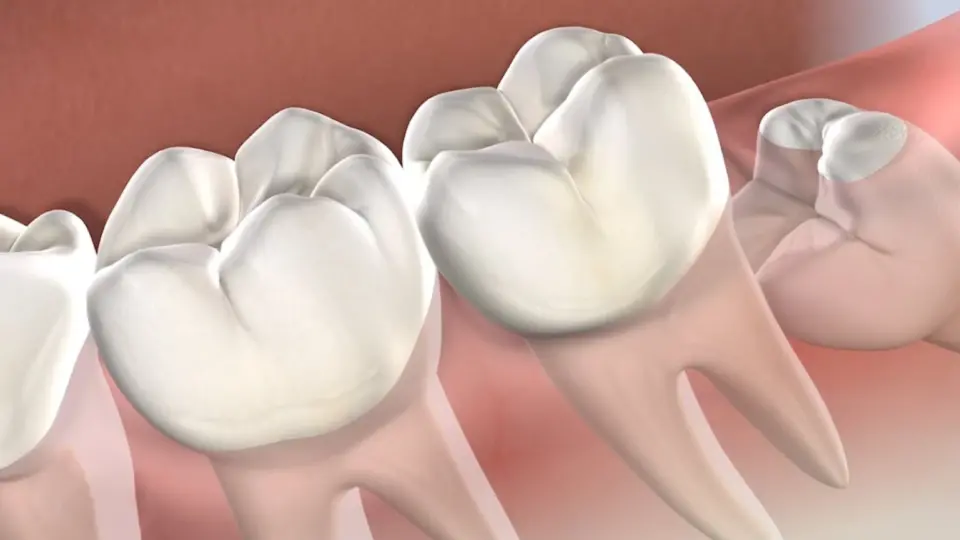
What Is the Spiritual Meaning of Tooth Extraction?
Across cultures, teeth are tied to growth and strength, so losing one often carries symbolic weight. Common themes include:
- Transition: moving from one stage of life to the next, like childhood to adulthood
- Letting go: releasing something old to make room for something new
- Belonging: showing you are part of a group or community
- Self-control: in Bali’s Metatah, taming negative traits before adulthood
These are cultural and personal interpretations, not medical ones, and they vary widely.
What Does Wisdom Teeth Removal Mean Spiritually?
Wisdom teeth usually arrive between the late teens and mid-twenties, the same time many people step into adult life. That timing is why they’re often associated with maturity and hard-won knowledge. For many people, having them removed feels like closing a chapter and starting fresh.
What Does It Mean If You Have No Wisdom Teeth?
Some people see it as a sign of being an “old soul.” Medically, it’s simply common: a 2015 meta-analysis of 92 studies and over 63,000 people published in the Journal of Dental Research found about 22.6% of people worldwide are missing at least one wisdom tooth, with women 14% more likely than men.
Tooth Removal Rituals Around the World
| Culture | Region | Practice | Meaning and research |
|---|---|---|---|
| Dinka and Nuer | South Sudan | Lower front teeth removed in childhood | Tradition practiced for centuries across parts of Sub-Saharan Africa (British Dental Journal) |
| Maasai | Kenya | Two lower central incisors removed, on average around age 8 | 84% of adolescents surveyed said it was done for ritual reasons (BMC Oral Health) |
| Cape Town communities | South Africa | Upper four front teeth removed (the “passion gap”) | Fashion, peer pressure and group identity; about 41% of 2,167 people surveyed had modified teeth (Friedling & Morris) |
| Balinese (Metatah) | Bali, Indonesia | Six upper front teeth filed smooth, not removed | Coming-of-age rite meant to tame the “six enemies of the mind” (Morphologie) |
Why Is Tooth Extraction Symbolic in Some Communities?
In the traditions above, removing or reshaping teeth does several jobs at once:
- Marking a life stage. Bali’s Metatah marks the move from childhood to adulthood,.
- Carrying on tradition. Among the Maasai, most adolescents in one Kenyan study said the teeth were removed for ritual reasons.
- Showing identity and belonging. In parts of Cape Town, removing the upper front teeth has been tied to fashion, peer groups and identity.
- Spiritual meaning. In Bali, filing the six upper front teeth is meant to tame the “six enemies of the mind,” such as greed and anger.
How Has the Meaning of Tooth Loss Changed Over Time?
Many of these practices are fading as dental care becomes more available, and dentists now often help people restore teeth removed years earlier. In most of the world today, tooth loss is treated as a health issue first. A healthy, complete smile has become its own symbol of self-care and confidence.
That modern view has a medical basis. When a tooth is removed and not replaced, nearby teeth can shift and the jawbone can shrink. Learn more about how tooth extraction changes your bite over time.
What a Dentist Wants You to Know
Whatever meaning a tooth holds for you, today’s extractions are planned to protect your health:
- Extractions are done with numbing and, when needed, sedation.
- Your dentist will talk about replacing the tooth to keep your bite stable.
- Losing a tooth can affect how you feel, too. Read the truth about emotional recovery after tooth extraction.
At Cornerstone Dentistry, we’re here to help with everything from simple extractions to cosmetic care. Contact us to schedule a consultation.
Frequently Asked Questions
What does it mean spiritually when a tooth is pulled?
In many traditions, losing or removing a tooth symbolizes a transition: growing up, letting go of the past, or starting a new chapter. Interpretations vary by culture and personal belief.
What do wisdom teeth symbolize?
Because they arrive in early adulthood, wisdom teeth are often linked to maturity and hard-won knowledge. Having them removed is sometimes read as a fresh start.
What does it mean if you were born without wisdom teeth?
Medically, it’s common. A 2015 meta-analysis of over 63,000 people found about 22.6% are missing at least one wisdom tooth, and it’s more common in women.
Which cultures remove teeth as a rite of passage?
Documented examples include the Dinka and Nuer of South Sudan and the Maasai of Kenya, where lower front teeth are traditionally removed in childhood. In Bali, teens have their upper front teeth filed rather than removed in the Metatah ceremony.
References
- Carter K, Worthington S. Morphologic and Demographic Predictors of Third Molar Agenesis: A Systematic Review and Meta-analysis. Journal of Dental Research, 2015.
- On traditional dental extraction: case reports from Dinka and Nuer en route to restoration. British Dental Journal, 2008.
- Kemoli AM, et al. Prevalence and impact of infant oral mutilation on dental occlusion and oral health-related quality of life among Kenyan adolescents from Maasai Mara. BMC Oral Health, 2018.
- Friedling LJ, Morris AG. Pulling teeth for fashion: dental modification in modern day Cape Town, South Africa. 2005.
- Zikir AP, Mânica S. Ritual tooth modification in Bali (Metatah): implications for dental assessment. Morphologie, 2026.
The content of this blog is for general information and isn’t a substitute for professional dental advice. Talk with your dentist about your situation.