
Table of Contents
Written and medically reviewed by Dr. Andrew Wilson, DMD, Cornerstone Dentistry, Anderson. Last updated September 2026.
Quick answer: Most side effects of a tooth extraction are short-term: swelling, bruising and soreness usually fade within a week, and most people feel normal again in a few days (Cleveland Clinic). The long-term effects come from not replacing the tooth: jawbone loss at the site, nearby teeth shifting, a changed bite, and harder chewing. Replacing the tooth with an implant, bridge or denture prevents most of them.
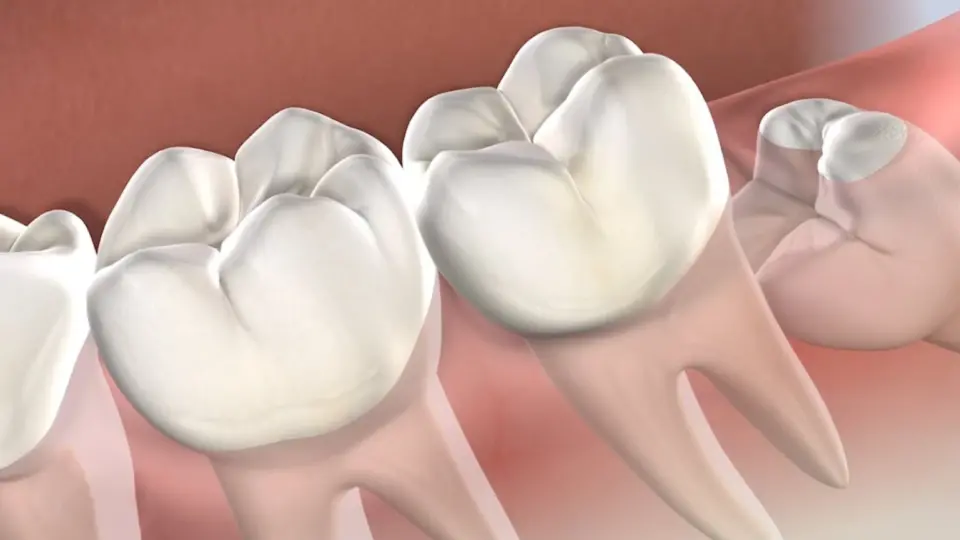
An extraction ends one problem, like pain or infection, but it starts a new chapter for your mouth. Here’s what to expect in the days, months and years after.
Short-Term Side Effects of Tooth Extraction
| Side effect | How common or how long | When to call |
|---|---|---|
| Swelling, bruising, soreness | Normal; usually fades within a week (Cleveland Clinic) | If it gets worse after day 3 |
| Bleeding | Oozing for the first day is normal | If it won’t stop with pressure |
| Dry socket | About 2–5% of extractions; usually within 3 days (Cleveland Clinic) | Worsening pain, bad taste, visible bone |
| Infection | Less common | Fever, pus, or increasing swelling |
| Nerve injury | Rare; more likely with lower wisdom teeth | Numbness or tingling that doesn’t go away |
For a day-by-day guide, see post-tooth extraction discomfort: what to expect.
Long-Term Side Effects of Tooth Extraction
Once the site heals, the long-term effects depend mostly on whether the tooth is replaced. Cleveland Clinic lists these complications of untreated tooth loss:
- Bone loss in the jaw. Most bone and gum changes at the site happen within the first year (Schropp et al.). Read more about bone loss and bite changes after an extraction.
- Shifting teeth and a bad bite. Neighboring teeth can tip into the gap and the opposing tooth can drift.
- Extra pressure on remaining teeth. Other teeth take on more chewing force.
- Chewing difficulty and nutrition. Some foods get harder to eat, which can affect your diet.
- Speech changes. Missing front teeth can affect how you pronounce some sounds.
- Facial changes and TMJ pain. Especially with several missing teeth.
How Tooth Loss Affects the Rest of Your Body
Digestion and nutrition
Chewing is the first step of digestion. When chewing is harder, people often switch to softer, more processed foods and skip fresh fruits and vegetables. In the short term after an extraction, try these soft food recipes.
Confidence and emotional health
Research on people who lost their teeth found grief, lower self-confidence and changes in how they felt about their appearance (Fiske et al., British Dental Journal). Replacing a missing tooth often helps people feel like themselves again.
Can Health Improve After an Extraction?
Yes, when the tooth was infected or constantly painful. Removing it can mean better sleep, easier eating and less inflammation. That’s a big reason extractions are recommended when a tooth can’t be saved.
How to Protect Your Health After an Extraction
- Follow aftercare: soft foods, gentle rinses, no straws or smoking for 48–72 hours (Cleveland Clinic).
- Watch for dry socket and infection in the first week.
- Keep up brushing, flossing and cleanings around the healed site.
- Talk with your dentist about replacement: an implant, bridge or denture (Cleveland Clinic).
- Ask about a bone graft at the time of extraction if you’re planning an implant.
At Cornerstone Dentistry in Anderson, we plan for life after extraction from the start, so your bite, jaw and smile stay healthy.
Frequently Asked Questions
What are the long-term side effects of tooth extraction?
If the tooth isn’t replaced, the most common long-term effects are jawbone loss at the site, nearby teeth shifting, a changed bite, harder chewing, and sometimes speech or appearance changes. Replacing the tooth prevents most of them.
What are the short-term side effects of tooth extraction?
Swelling, bruising and soreness are normal and usually fade within a week. Complications like dry socket, infection or nerve injury are less common.
Can your health improve after a tooth extraction?
Yes, when the tooth was infected or causing pain. Removing a source of infection and pain can help you sleep, eat and feel better overall.
Is weight loss after a tooth extraction normal?
A little weight loss in the first days is common because you’re eating soft foods and less of them. Focus on soft, protein-rich foods and call your dentist if pain keeps you from eating.
Can poor aftercare after an extraction affect the rest of my body?
An untreated infection at the extraction site can spread and make you ill. Watch for fever, pus or worsening pain, and call your dentist right away if you notice them.
References
- Cleveland Clinic. Tooth Extraction: When You Should Have One & What To Expect.
- Cleveland Clinic. Dry Socket: What It Is & How To Prevent It.
- Cleveland Clinic. Tooth Loss: Why Replacement Is Key.
- Schropp L, Wenzel A, Kostopoulos L, Karring T. Bone healing and soft tissue contour changes following single-tooth extraction: a 12-month prospective study. International Journal of Periodontics & Restorative Dentistry, 2003.
- Fiske J, Davis DM, Frances C, Gelbier S. The emotional effects of tooth loss in edentulous people. British Dental Journal, 1998.
The content of this blog is for general information and isn’t a substitute for professional dental advice. Talk with your dentist about your situation.