
Fast Relief From Infected Tooth Pain
A root canal is often needed when bacteria reach the soft inner tissue of the tooth, known as the pulp. This can happen because of deep decay, a crack, trauma, or an untreated cavity.
Signs you may need a root canal in Anderson, SC include:
- Throbbing tooth pain
- Lingering sensitivity to hot or cold
- Pain when biting or chewing
- Swollen or tender gums
- A pimple-like bump on the gums
- Tooth discoloration
- Pain that worsens at night
- Pressure that comes and goes
- Bad taste near the affected tooth
- Facial or jaw swelling
Even if the pain fades temporarily, infection inside the tooth does not usually heal on its own. Early treatment can help stop the infection before the tooth becomes harder to save.
Call (864) 222-9001 today to schedule your evaluation and get relief from tooth pain.
Why Root Canal Treatment Helps Save Your Tooth
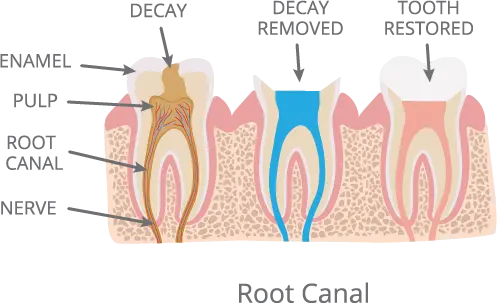
Root canal therapy removes infected or inflamed tissue from inside the tooth while preserving the outer tooth structure. Once the infection is cleaned out, the tooth is sealed and usually restored with a crown for long-term strength.
This treatment can help:
- Stop infected tooth pain
- Remove bacteria from inside the tooth
- Prevent infection from spreading
- Preserve your natural tooth
- Restore chewing comfort
- Avoid extraction when possible
- Protect your bite alignment
Our goal is to help you save your natural tooth whenever it is healthy and predictable to do so.



Root Canal vs. Tooth Extraction
Many patients ask whether it is better to save the tooth with a root canal or remove it.
A root canal may be recommended when the tooth structure is strong enough to restore and the infection can be treated successfully. Tooth extraction may be recommended when the tooth is severely fractured, unstable, or too damaged to repair.
Root Canal Treatment
A root canal may help you:
- Keep your natural tooth
- Maintain normal chewing function
- Prevent nearby teeth from shifting
- Avoid more complex tooth replacement
- Preserve your natural bite
Tooth Extraction
Extraction may be necessary if:
- The tooth is cracked below the gumline
- Decay is too extensive
- Bone support is poor
- The tooth cannot be restored safely
- Infection has caused severe structural damage

Our Approach to Comfortable Root Canal Care
Root canals are not the painful procedures many people imagine. With modern dental technology and gentle techniques, treatment is typically smooth and manageable.
At Cornerstone Dentistry, our approach includes:
- Digital X-rays for accurate diagnosis
- Gentle numbing techniques
- Rotary endodontic tools
- Rubber dam isolation for a clean treatment field
- Clear explanations throughout the visit
- Emergency appointment availability when possible
- Personalized aftercare instructions
If tooth pain becomes sudden or severe, our emergency dentistry team can help you get evaluated quickly.
What Happens During Root Canal Treatment?
Understanding the process can help reduce fear and uncertainty.
1. Diagnosis and Digital Imaging
We examine the tooth, review your symptoms, and take digital X-rays to confirm whether the nerve is infected or inflamed.
2. Numbing the Tooth
Before treatment begins, the area is fully numbed for comfort. Most patients feel pressure, not pain.
3. Removing the Infection
A small opening is made in the tooth so the infected pulp can be removed carefully.
4. Cleaning and Shaping the Canals
The inside of the tooth is cleaned, shaped, and disinfected to remove bacteria.
5. Sealing the Tooth
The canals are filled with a durable material to help prevent reinfection.
6. Temporary Filling or Restoration
A temporary restoration protects the tooth until the final crown or permanent restoration is placed.
Most root canal appointments are completed efficiently, depending on the tooth and severity of infection.
Ready to stop tooth pain? Call (864) 222-9001 to schedule your root canal consultation.
What to Expect After a Root Canal
Recovery is usually simple. Mild tenderness or sensitivity when chewing can happen for a few days, especially if the tooth was painful before treatment.
Aftercare may include:
- Taking medication as directed
- Avoiding chewing on the treated tooth until restored
- Keeping the area clean
- Scheduling your crown or final restoration
- Calling us if pain or swelling worsens
Most patients return to normal activities the same day or the next day.
Emergency Root Canal Treatment
Severe tooth pain, swelling, or pressure may require urgent care. If infection is present, treatment should not be delayed.
You may need an emergency root canal if you have:
- Intense throbbing pain
- Swelling in the gums or face
- Tooth pain that prevents sleep
- Pain when biting
- A dental abscess
- Lingering temperature sensitivity
- Sudden worsening symptoms
Whenever possible, Cornerstone Dentistry offers same-day emergency visits to evaluate and treat urgent tooth pain.
Why Patients Choose Cornerstone Dentistry
Patients throughout Anderson trust Cornerstone Dentistry because we combine modern technology with a comfort-first approach.
Our root canal care includes:
- Experienced dental team
- Gentle anesthetic techniques
- Digital diagnosis
- Clear treatment explanations
- Emergency availability when possible
- Focus on saving natural teeth
- Long-term restorative planning
We understand that root canal treatment can feel intimidating, and we work hard to help you feel informed, comfortable, and confident.
Root Canal FAQs
Does a root canal hurt?
No. With modern numbing techniques, most patients feel pressure but not pain during treatment. Many say it feels similar to getting a filling.
How long does recovery take after a root canal?
Most patients feel better within a few days. Mild soreness when chewing is normal and usually improves quickly.
How much does a root canal cost?
Cost depends on the tooth, complexity, and insurance coverage. Cornerstone Dentistry provides a clear estimate before treatment begins.
How many visits does a root canal take?
Many root canals can be completed in one visit, but some cases may require more than one appointment depending on infection severity and tooth anatomy.
Will I need a crown after a root canal?
Most back teeth need a crown after root canal treatment to restore strength and protect the tooth from fracture.
Is a root canal better than extraction?
When the tooth can be saved, a root canal is often preferred because it preserves your natural tooth and avoids the need for replacement.
Can antibiotics cure a tooth infection?
Antibiotics may help control swelling or infection symptoms, but they usually do not remove the infected tissue inside the tooth. Root canal treatment may still be needed.
What happens if I delay root canal treatment?
Delaying treatment can allow infection to spread, increase pain, and raise the risk of losing the tooth.
Schedule Your Root Canal Consultation in Anderson, SC
If you are dealing with tooth pain, swelling, lingering sensitivity, or signs of infection, do not wait for the problem to get worse. Cornerstone Dentistry provides gentle infected tooth treatment designed to relieve pain and protect your smile.
Call (864) 222-9001 or request an appointment online today.


If you have any questions or would like to schedule an appointment with your Anderson dental team, give us a call at (864) 222-9001 or request an appointment online! We look forward to hearing from you!