
Immediate Help for Dental Pain and Emergencies
When you are in pain, you need clear answers and fast care. At Cornerstone Dentistry, we leave room in our schedule for urgent dental appointments and work quickly to diagnose the problem.
During your emergency visit, we focus on:
- Relieving pain
- Identifying the cause of the emergency
- Stabilizing the tooth or affected area
- Treating infection or damage when possible
- Explaining your options clearly
- Helping you protect your long-term oral health
If you are unsure whether your situation is urgent, call us. We can help you decide the safest next step.
Common Signs You Need Emergency Dental Care
You may need an urgent dental appointment if you have:
- Severe or persistent toothache
- Swelling in the gums, jaw, cheek, or face
- Broken, chipped, or cracked tooth
- Knocked-out tooth
- Lost crown or filling
- Dental abscess or pus near the gums
- Pain when biting or chewing
- Sudden tooth sensitivity
- Bleeding after an injury
- A loose adult tooth
- Bad taste, fever, or signs of infection
If any of these symptoms are happening now, do not wait.
Call (864) 222-9001 now for emergency dental care in Anderson, SC.


Severe Toothache or Sudden Tooth Pain
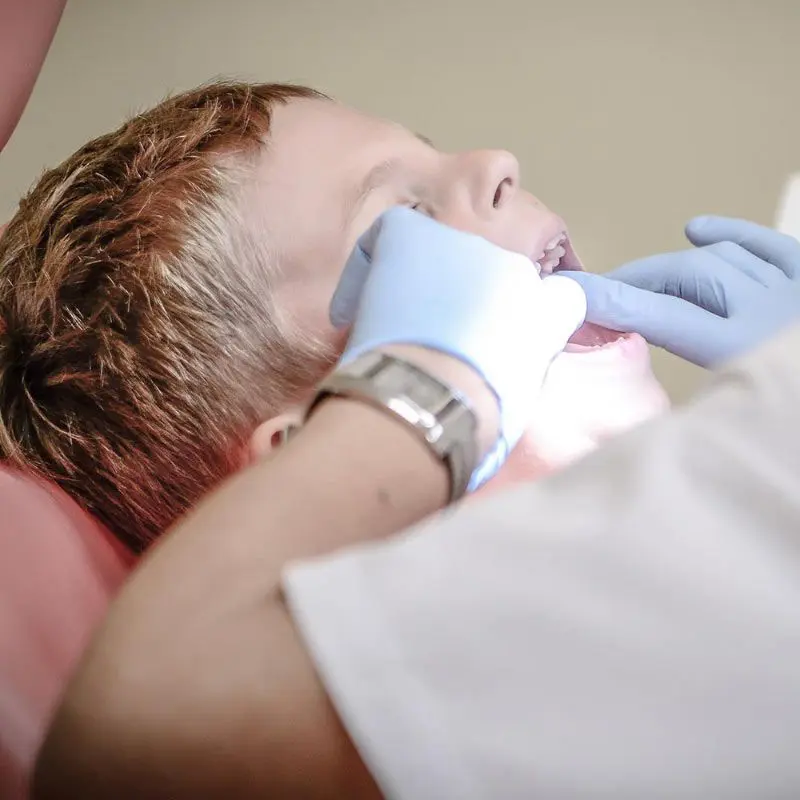
A severe toothache is often a sign that something deeper is happening. It may be caused by decay, a cracked tooth, nerve inflammation, gum infection, or an abscess.
When you visit Cornerstone Dentistry, we may take digital X-rays, examine the tooth, and identify whether the pain is coming from the nerve, surrounding gum tissue, or tooth structure. Depending on the cause, treatment may include a filling, crown, root canal, infection control, or another restorative option.
Tooth pain that does not go away should not be ignored. Early care can often prevent a more serious dental emergency.
Broken, Chipped, or Cracked Tooth
A broken tooth can expose sensitive inner layers and increase the risk of infection. Even a small chip should be evaluated if it causes pain, sharp edges, or sensitivity.
For minor damage, we may repair the tooth with bonding or a filling. For larger breaks or deeper cracks, a crown or other restoration may be needed. If the nerve is affected, root canal treatment may help save the tooth.
Until your appointment, avoid chewing on that side and save any tooth fragments if possible.
Tooth Infection, Abscess, or Swelling
A tooth infection can become serious quickly. Symptoms may include swelling, throbbing pain, a pimple-like bump on the gums, bad taste, fever, or pain that spreads into the jaw or ear.
If you suspect a tooth infection emergency, call right away. Treatment may involve draining the infection, prescribing medication when appropriate, performing a root canal, or recommending tooth extraction if the tooth cannot be saved.
Dental infections should never be left untreated because they can spread beyond the tooth and affect overall health.
Facial Swelling or Gum Swelling
Swelling in the jaw, cheek, gums, or face may point to infection, trauma, or inflammation. If swelling is paired with severe pain, fever, difficulty swallowing, or trouble breathing, seek immediate medical help.
For dental-related swelling, Cornerstone Dentistry can evaluate the source and provide treatment to reduce infection, relieve pressure, and protect your health.
Lost Crown or Filling
A lost crown or filling can leave the tooth exposed and vulnerable. You may notice sensitivity, sharp edges, discomfort when chewing, or a loose restoration.
We may be able to replace the restoration, create a temporary repair, or provide a long-term solution depending on the condition of the tooth. Calling quickly helps reduce the risk of further damage.
Knocked-Out Tooth
A knocked-out adult tooth is one of the most urgent dental emergencies. Acting quickly can improve the chances of saving the tooth.
If possible:
- Pick up the tooth by the crown, not the root
- Gently rinse it with water if dirty
- Do not scrub the tooth
- Try placing it back in the socket if comfortable
- If not, store it in milk or saliva
- Call our office immediately
The best chance of saving a knocked-out tooth is usually within the first 30 to 60 minutes.
What to Do Before You Arrive
While you are on your way to our office:
- Call ahead so we can prepare for your visit
- Rinse gently with warm water
- Use a cold compress for swelling
- Avoid chewing on the affected side
- Save broken pieces, crowns, or knocked-out teeth
- Do not place aspirin directly on the gums
- Follow any instructions from our team
These steps can help reduce discomfort and protect the tooth until you are seen.
What to Expect During Your Emergency Visit
Our emergency dental visits are designed to be clear, comfortable, and efficient.
1. Comfort First
We begin by helping you feel as comfortable as possible before evaluating the issue.
2. Digital Imaging and Exam
Digital X-rays and an oral exam help us identify the cause of pain, swelling, or damage.
3. Clear Diagnosis
We explain what is happening and what treatment options are available.
4. Same-Day Treatment When Possible
When appropriate, we may provide a filling, bonding, temporary crown, infection treatment, extraction, or root canal therapy during the same visit.
5. Follow-Up Care
You will leave with aftercare instructions and a plan for any additional treatment needed.
Emergency Dental Treatment Options
Depending on your situation, emergency dental care may include:
- Same-day fillings
- Dental bonding
- Temporary crowns
- Permanent crowns
- Abscess treatment
- Infection control
- Root canal therapy
- Tooth stabilization
- Knocked-out tooth care
- Gentle tooth extraction
- Pain relief and aftercare guidance
If a tooth cannot be saved, we may recommend tooth extraction and discuss replacement options after the emergency is controlled.
Payment, Insurance, and Emergency Dental Costs
We understand that unexpected dental emergencies can create financial stress. At Cornerstone Dentistry, we review your options clearly before starting treatment whenever possible.
The cost of emergency dental care depends on the severity of the problem and the treatment needed. We accept most major dental insurance plans and offer flexible payment options when available.
Our team will help you understand:
- Estimated treatment cost
- Insurance coverage
- Payment options
- Follow-up treatment needs
- Whether same-day care is possible
Call (864) 222-9001 now to schedule an urgent dental appointment.
Why Choose Cornerstone Dentistry for Emergency Dental Care?
Patients in Anderson trust Cornerstone Dentistry because we provide fast, honest, and compassionate care when it matters most.
Our emergency care includes:
- Same-day appointments when available
- Modern digital diagnostics
- Gentle treatment focused on comfort
- Clear explanations
- Insurance and payment guidance
- Care for toothaches, infections, broken teeth, and injuries
- Long-term solutions after urgent treatment
Emergency Dentist FAQs
What qualifies as a dental emergency?
A dental emergency includes severe tooth pain, swelling, infection, broken teeth, knocked-out teeth, uncontrolled bleeding, lost crowns, or any issue that needs urgent care to relieve pain or prevent further damage.
Can I get same-day emergency dental care?
Cornerstone Dentistry offers same-day emergency dental care whenever possible. Call as early as you can so our team can help schedule the soonest available visit.
Is a tooth infection a dental emergency?
Yes. A tooth infection can spread if untreated. Symptoms like swelling, severe pain, fever, pus, or a bad taste in the mouth should be evaluated quickly.
What should I do for a knocked-out tooth?
Pick up the tooth by the crown, avoid touching the root, gently rinse it if needed, and store it in milk or saliva. Call the dentist immediately. Fast action gives the tooth the best chance of being saved.
What should I do if I break a tooth?
Rinse your mouth gently, save any pieces, avoid chewing on that side, and call for an emergency appointment. Even small breaks should be checked if they cause pain or sensitivity.
Can the dentist treat a lost crown the same day?
In many cases, yes. Depending on the condition of the crown and tooth, we may reattach it, provide a temporary restoration, or recommend a replacement.
Will I need a root canal for emergency tooth pain?
Not always. A root canal may be needed if the tooth nerve is infected or inflamed. After an exam and X-rays, we will explain whether root canal therapy is the best option.
What if my tooth needs to be removed?
If a tooth cannot be saved, a gentle extraction may be recommended. We will explain the reason, review your options, and discuss replacement solutions after the urgent issue is treated.
Call Now for Emergency Dental Care in Anderson, SC
Do not wait for dental pain to get worse. If you have a toothache, swelling, infection, broken tooth, lost crown, or knocked-out tooth, Cornerstone Dentistry is ready to help.
Call (864) 222-9001 now or request an appointment online for fast emergency dental care in Anderson, SC.
Chipped Tooth
A chipped tooth occurs when the enamel or dentin layer is damaged. It can happen due to trauma, such as biting down on something hard, grinding your teeth, or having an accident. Chipped teeth can be painful and uncomfortable, but they are usually not serious if treated promptly.
If you have a chipped tooth, it is important to get it evaluated by a dentist as soon as possible. The treatment plan will depend on the extent of the damage and whether the damage affects the nerve or pulp in the center of the tooth. In cases where only a small piece of enamel is missing, your dentist may be able to repair it with bonding material or dental filling. More extensive chips may require a crown or root canal.
It is also important to remember that your teeth are susceptible to further damage after chipping, so it is important to practice good dental hygiene and follow the instructions given by your dentist. Brushing and flossing regularly, avoiding hard foods, and wearing a night guard can help protect against future problems.
If you have any questions about how to care for your chipped tooth, make sure to ask your dentist. They can provide the best advice and treatment plan for restoring your smile.
It is also a good idea to take preventive measures to avoid chipping your teeth in the first place. Wearing a mouthguard during contact sports or other activities that involve physical contact can prevent injuries to your teeth. Eating a healthy diet and avoiding hard or sticky foods can also help reduce the risk of chipping.

If you have any questions or would like to schedule an appointment with your Anderson dental team, give us a call at (864) 222-9001 or request an appointment online! We look forward to hearing from you!